


Hey there! As a truck guardrail supplier, I've been getting a lot of questions lately about the environmental impacts of truck guardrails. So, I thought I'd take some time to dig into this topic and share what I've found.
Let's start with the production process. Making truck guardrails involves several steps, and each one can have an environmental footprint. The primary material for most guardrails is steel. Steel production is energy - intensive. A large amount of coal and natural gas is burned in blast furnaces to smelt iron ore and turn it into steel. This releases significant amounts of carbon dioxide (CO₂), a major greenhouse gas that contributes to global warming. According to a study by the World Steel Association, the steel industry accounts for about 7 - 9% of global direct CO₂ emissions.
But it's not just the CO₂. There are also other pollutants released during steel production. Sulfur dioxide (SO₂) is one of them. When SO₂ is released into the atmosphere, it can react with water and oxygen to form sulfuric acid, which leads to acid rain. Acid rain can damage forests, lakes, and buildings. Another pollutant is particulate matter, tiny particles that can be inhaled and cause respiratory problems in humans and animals.


However, things aren't all doom and gloom. Many steel manufacturers are working hard to reduce their environmental impact. They're investing in new technologies like electric arc furnaces, which use less energy and produce fewer emissions compared to traditional blast furnaces. Some are also using recycled steel in their production. Recycling steel reduces the need for mining new iron ore and saves a huge amount of energy. In fact, recycling steel can save up to 75% of the energy required to produce new steel from scratch.
Now, let's talk about the installation of truck guardrails. During installation, there's often some waste generated. For example, there might be leftover pieces of guardrail material, bolts, and nuts. If not properly managed, this waste can end up in landfills. Landfills are a major source of methane, another potent greenhouse gas. Methane is produced when organic matter decomposes in anaerobic conditions (without oxygen). And while guardrail waste isn't organic, landfills are still a less - than - ideal solution for waste disposal.
But again, there are ways to mitigate this. We can encourage installers to recycle the leftover materials. Many of the components used in truck guardrails, like steel and metal fasteners, can be recycled and reused. Some companies even offer take - back programs, where they collect the waste from installation sites and recycle it themselves.
Once the truck guardrails are in use, they can also have environmental impacts. One of the main concerns is noise pollution. When trucks hit the guardrails, it can create a loud, sharp noise. This can be a nuisance for people living near busy roads with guardrails. Prolonged exposure to high - level noise can cause stress, hearing loss, and sleep disturbances.
To address this, some manufacturers are developing quieter guardrail designs. These designs use materials and structures that absorb or dampen the sound when a truck collides with the guardrail. For example, some guardrails have rubber or foam inserts that can reduce the noise level.
Another aspect to consider is the impact on wildlife. Truck guardrails can act as barriers to wildlife movement. They can prevent animals from crossing roads safely, which can lead to more animal - vehicle collisions. This is not only dangerous for the animals but also for the drivers. Some areas are installing wildlife underpasses or overpasses along with guardrails to help animals cross the roads safely.
On the positive side, truck guardrails can also have some environmental benefits. They can prevent trucks from leaving the road and crashing into natural habitats like forests or wetlands. This can protect these habitats from damage caused by the trucks and their cargo.
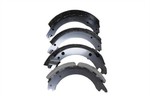
Now, let's touch on some related products. If you're in the trucking industry, you might also be interested in Brake Shoes. Brake shoes are an essential part of a truck's braking system. They need to be reliable and durable to ensure the safety of the vehicle and its cargo.
Another product is the Refrigerated Truck Rear Frame. This frame provides structural support for refrigerated trucks, which are crucial for transporting perishable goods.
And don't forget about Truck Wall Panels. These panels can help insulate the truck, reducing the energy needed to maintain the temperature inside the truck.
As a truck guardrail supplier, I'm committed to providing high - quality products while also minimizing the environmental impact. We work with manufacturers who are environmentally conscious and use sustainable production methods. If you're in the market for truck guardrails or any of the related products I mentioned, I'd love to have a chat with you. Whether you're a fleet manager, a trucking company owner, or someone involved in road construction, we can find the right solutions for your needs.
In conclusion, while there are indeed environmental impacts associated with truck guardrails, there are also many ways to reduce these impacts. Through innovation, recycling, and sustainable practices, we can make the trucking industry more environmentally friendly. So, if you're interested in learning more or discussing your requirements, don't hesitate to reach out.
References
- World Steel Association. (20XX). Global steel industry emissions report.
- Environmental Protection Agency. (20XX). Pollutants from industrial processes.
- Various research studies on wildlife and road infrastructure.