


Are there any legal liabilities associated with truck guardrails?
As a supplier of truck guardrails, I've often been asked about the legal implications tied to these essential safety components. In the transportation industry, truck guardrails play a crucial role in protecting both the cargo and other road users. However, with great functionality comes a set of legal responsibilities that every stakeholder, from manufacturers to end - users, should be aware of.
Understanding the Purpose of Truck Guardrails
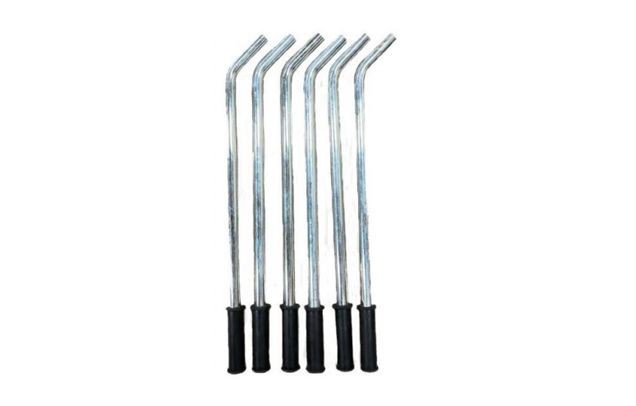
Truck guardrails are designed to prevent cargo from spilling onto the road, enhance the stability of the load, and protect pedestrians and other vehicles in case of an accident. They act as a barrier that keeps the truck's contents contained within the designated area. For example, in the case of a sudden stop or collision, a well - installed guardrail can prevent heavy items from flying off the truck and causing serious damage or injury.

Regulatory Requirements
There are numerous regulations at both the national and international levels that govern the design, installation, and maintenance of truck guardrails. These regulations are put in place to ensure the safety of everyone on the road.
In many countries, standards specify the minimum height, strength, and durability of guardrails. For instance, the height of the guardrail must be sufficient to prevent cargo from easily toppling over. The materials used in the construction of the guardrail also need to meet certain quality criteria. A guardrail made of sub - standard materials may break under stress, leading to potential legal issues for the supplier, installer, or truck owner.
Manufacturer's Legal Liabilities
As a truck guardrail supplier, we have a significant legal responsibility. First and foremost, we are obliged to ensure that our products meet all relevant safety standards. This involves rigorous testing during the manufacturing process. If a guardrail fails to meet these standards and causes an accident, we could be held liable for any resulting damages.
We also have a duty to provide accurate information about our products. This includes details about the guardrail's specifications, installation requirements, and maintenance instructions. If a customer installs a guardrail incorrectly because of misleading information provided by us, and this leads to an accident, we may be legally accountable.
Moreover, we are responsible for product recalls in case a defect is discovered. Failing to initiate a recall in a timely manner can expose us to legal actions from affected parties.
Installer's Legal Liabilities
The installer of the truck guardrail also has legal obligations. They must follow the manufacturer's installation instructions precisely. If they deviate from these instructions and the guardrail fails as a result, they can be held liable.
For example, if an installer does not properly secure the guardrail to the truck, it may come loose during transit. This could cause the cargo to spill, endangering other road users. In such a situation, the installer may be sued for negligence.
Truck Owner's Legal Liabilities
Truck owners are responsible for the proper maintenance of the guardrails. Regular inspections should be carried out to ensure that the guardrails are in good condition. If a truck owner neglects to maintain the guardrails and an accident occurs due to their deteriorated state, they may face legal consequences.
They also need to ensure that the cargo is loaded in a way that does not exceed the guardrail's capacity. Overloading can put excessive stress on the guardrails, increasing the risk of failure. If an accident is caused by overloading in combination with a guardrail failure, the truck owner may be held liable.
Third - Party Liability
In some cases, third - parties may also be involved in legal actions related to truck guardrails. For example, if a cargo loading company does not load the cargo properly, and this leads to a guardrail failure and an accident, they may share the liability.
Case Studies
Let's look at a few real - life examples to illustrate these legal liabilities. In one case, a truck with a guardrail that did not meet the required strength standards was involved in a minor collision. The guardrail broke, and several heavy crates spilled onto the road, hitting a car behind. The manufacturer of the guardrail was found liable because they had cut corners in the production process, using inferior materials.
In another instance, an installer did not follow the correct installation procedure for a guardrail. The guardrail came loose during a long - distance journey, and the cargo fell onto the highway, causing a multi - vehicle pile - up. The installer was held responsible for the damages due to their negligence.
Mitigating Legal Risks
To mitigate legal risks, as a truck guardrail supplier, we take several steps. We invest in high - quality materials and advanced manufacturing processes to ensure that our products meet or exceed all safety standards. We also provide comprehensive training to our customers on the proper installation and maintenance of the guardrails.
We maintain detailed records of our manufacturing processes, including test results and quality control checks. This documentation can be crucial in case of a legal dispute.
Additional Truck Accessories and Their Legal Considerations
When it comes to the overall safety of trucks, other accessories also play important roles. For example, Truck Packing Rope is used to secure the cargo along with the guardrails. Similar to guardrails, there are regulations regarding the strength and quality of packing ropes. If a packing rope fails and causes the cargo to shift or fall, there could be legal implications for the supplier and the user.
Another accessory is the Crowbar. While it may seem unrelated to safety at first glance, if it is not stored properly on the truck and becomes a projectile during an accident, it can cause serious harm. Truck owners need to ensure that all tools and accessories are safely stowed.
The Refrigerated Truck Rear Frame also has its own set of legal requirements. It needs to be strong enough to support the weight of the refrigeration unit and withstand the rigors of transportation. A faulty rear frame can lead to the detachment of the refrigeration unit, posing a significant safety hazard.
Conclusion
In conclusion, there are indeed significant legal liabilities associated with truck guardrails. As a supplier, we understand the importance of adhering to all safety standards and providing accurate information to our customers. By doing so, we not only protect the safety of road users but also safeguard ourselves from potential legal issues.
If you are in the market for high - quality truck guardrails or any related accessories, we invite you to contact us for a detailed discussion. Our team of experts can provide you with the best solutions tailored to your specific needs. Whether you are a truck owner, a logistics company, or an installer, we are here to assist you in ensuring the safety and compliance of your trucks.
References
- National Highway Traffic Safety Administration (NHTSA) regulations on truck safety components.
- International Organization for Standardization (ISO) standards related to truck guardrails.
- Case law databases for real - life legal cases involving truck guardrails.