


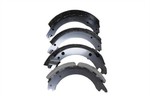
Brake shoes are a crucial component in many vehicle braking systems, especially in drum brake setups. As a brake shoes supplier, I'm often asked about how these essential parts work. In this blog, I'll delve into the science and mechanics behind brake shoes, explaining their function, components, and the overall braking process.
The Basics of Brake Shoes
Brake shoes are curved metal pieces lined with a friction material. They are typically found inside a brake drum, which is attached to the wheel of a vehicle. When the driver applies the brakes, the brake shoes are forced against the inner surface of the brake drum. This creates friction, which slows down or stops the rotation of the drum and, consequently, the wheel.
The friction material on the brake shoes is carefully chosen for its ability to generate a high amount of friction while also being durable and resistant to heat. Common materials include asbestos (although its use has been largely phased out due to health concerns), semi-metallic compounds, and ceramic materials. Each type of material has its own advantages and disadvantages in terms of performance, noise level, and wear characteristics.
Components of Brake Shoes
Brake shoes consist of several key components:
- Backing Plate: This is the metal base of the brake shoe. It provides structural support and is designed to fit inside the brake drum. The backing plate is usually made of steel and is shaped to match the curvature of the drum.
- Friction Lining: As mentioned earlier, the friction lining is the part of the brake shoe that comes into contact with the brake drum. It is bonded or riveted to the backing plate and is responsible for generating the friction needed to slow down the vehicle.
- Return Springs: These springs are attached to the brake shoes and are responsible for pulling the shoes back away from the drum when the brakes are released. This ensures that the brakes do not drag and cause unnecessary wear on the components.
- Adjusting Screw: Some brake shoes are equipped with an adjusting screw. This screw allows for fine-tuning of the distance between the brake shoes and the drum, ensuring proper braking performance.
The Braking Process
Now, let's take a closer look at how brake shoes work during the braking process:
- Driver Applies the Brakes: When the driver presses the brake pedal, a hydraulic or mechanical force is transmitted to the brake system. In a drum brake system, this force is usually transferred through a brake master cylinder and a series of brake lines to the wheel cylinders located inside the brake drum.
- Wheel Cylinders Expand: The wheel cylinders are small hydraulic cylinders that are located on either side of the brake shoes. When the hydraulic pressure is applied, the pistons inside the wheel cylinders are forced outwards. This causes the brake shoes to move towards the inner surface of the brake drum.
- Friction is Generated: As the brake shoes come into contact with the brake drum, friction is generated. This friction converts the kinetic energy of the moving vehicle into heat energy, which is dissipated through the brake drum and the surrounding air. The friction force also acts to slow down or stop the rotation of the drum and the wheel.
- Vehicle Slows Down or Stops: The friction between the brake shoes and the drum creates a torque that opposes the rotation of the wheel. This torque is transmitted through the axle to the rest of the vehicle, causing it to slow down or stop.
- Brakes are Released: When the driver releases the brake pedal, the hydraulic pressure in the system is reduced. The return springs then pull the brake shoes back away from the drum, allowing the wheel to rotate freely again.
Factors Affecting Brake Shoe Performance
Several factors can affect the performance of brake shoes:
- Friction Material Quality: The quality of the friction material used on the brake shoes has a significant impact on braking performance. High-quality materials will provide better friction, less noise, and longer wear life.
- Brake Drum Condition: The condition of the brake drum also affects braking performance. A worn or damaged drum can cause uneven braking, reduced friction, and increased noise.
- Temperature: Brake shoes generate a lot of heat during the braking process. Excessive heat can cause the friction material to fade, reducing its effectiveness. This is known as brake fade and can be a serious safety issue.
- Moisture: Moisture can also affect the performance of brake shoes. Water on the brake drum or the friction lining can reduce friction and cause the brakes to become less effective.
Maintenance and Replacement
Proper maintenance and replacement of brake shoes are essential for ensuring safe and reliable braking performance. Here are some tips:


- Regular Inspections: Have your brakes inspected regularly by a qualified mechanic. They can check the condition of the brake shoes, the brake drum, and other components of the braking system.
- Replace Worn Brake Shoes: Brake shoes have a limited lifespan and will eventually need to be replaced. Signs of worn brake shoes include reduced braking performance, increased stopping distance, and squealing or grinding noises when braking.
- Use Quality Replacement Parts: When replacing brake shoes, it's important to use high-quality parts from a reputable supplier. This will ensure that your brakes perform as expected and provide long-lasting reliability.
Conclusion
Brake shoes are a vital part of the vehicle braking system, providing the friction needed to slow down or stop the vehicle. Understanding how they work and how to maintain them is essential for safe and reliable driving. As a brake shoes supplier, I'm committed to providing high-quality products and excellent customer service. If you're in the market for brake shoes or have any questions about their operation, please don't hesitate to [contact me for procurement and further discussion].
References
- Automotive Brake Systems Handbook
- Brake Shoe Manufacturing Standards and Guidelines