


As a supplier of truck wall panels, I understand the importance of keeping these panels scratch - free. Scratches not only mar the appearance of the truck but can also lead to long - term damage such as rusting, especially in harsh environments. In this blog, I'll share some effective strategies to prevent scratches on truck wall panels.
Select High - Quality Wall Panels
The first step in preventing scratches starts with the quality of the wall panels themselves. High - quality materials are generally more resistant to abrasion. For instance, panels made from high - grade steel or advanced composite materials have a better chance of withstanding minor impacts and scratches.
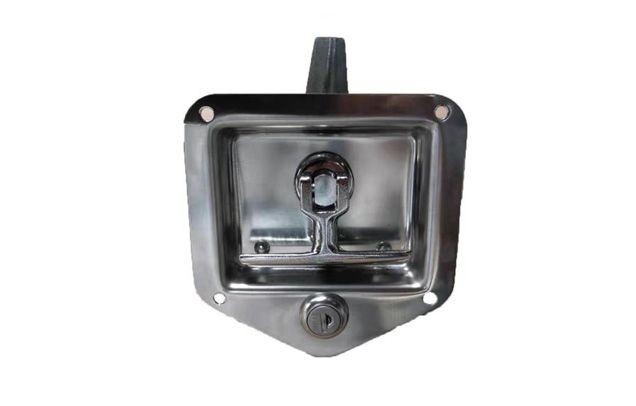
When choosing wall panels, look for those with a hard - wearing finish. Some manufacturers offer panels with a protective coating that acts as a barrier against scratches. These coatings can be made of polymers or other durable substances that add an extra layer of defense. At our company, we offer a range of T Lock Panel which are designed with high - quality materials and finishes to resist scratches.
Use Protective Liners
Installing protective liners on the truck wall panels is an excellent way to prevent scratches. There are various types of liners available in the market, such as rubber, plastic, and foam liners.

Rubber liners are known for their flexibility and durability. They can absorb the impact of objects hitting the wall panels, reducing the likelihood of scratches. Plastic liners, on the other hand, are often smooth and easy to clean. They create a slippery surface that makes it less likely for objects to catch and scratch the panels. Foam liners are lightweight and can provide good cushioning.
When installing liners, make sure they fit properly. A loose - fitting liner may move around, causing friction against the wall panels and potentially leading to scratches. Professional installation is recommended to ensure a snug fit.
Implement Proper Loading and Unloading Procedures
How you load and unload items from the truck can have a significant impact on the condition of the wall panels. Here are some guidelines to follow:
- Use Loading Ramps: Loading ramps can help reduce the risk of objects scraping against the wall panels when being loaded or unloaded. Make sure the ramps are in good condition and properly secured to prevent any sudden movements.
- Avoid Dragging Objects: Dragging heavy or sharp objects along the wall panels is a surefire way to cause scratches. Instead, lift and carry objects carefully, or use equipment such as dollies or pallet jacks to move them.
- Organize the Load: Properly organizing the load inside the truck can prevent items from shifting during transit and scratching the wall panels. Use dividers or restraints to keep objects in place.
Regular Maintenance and Cleaning
Regular maintenance and cleaning of the truck wall panels can also help prevent scratches. Here's what you can do:
- Clean the Panels Regularly: Dirt, debris, and grime can act as abrasives, causing scratches over time. Use a mild detergent and a soft cloth or sponge to clean the panels. Avoid using harsh chemicals or abrasive cleaners, as they can damage the protective finish of the panels.
- Inspect for Damage: Regularly inspect the wall panels for any signs of scratches or damage. If you notice a scratch early, you can take steps to repair it before it gets worse. Minor scratches can often be buffed out using a suitable scratch - repair kit.
- Lubricate Moving Parts: If your truck has doors, hinges, or other moving parts that come into contact with the wall panels, make sure they are well - lubricated. This can prevent friction and reduce the risk of scratches.
Protect the Panels During Transit
During transit, the truck wall panels are exposed to various hazards that can cause scratches. Here are some ways to protect them:
- Use Truck Packing Rope: Securely tie down the load using packing ropes. This can prevent items from moving around and hitting the wall panels. Make sure the ropes are tight enough to hold the load in place but not so tight that they cause damage to the items or the panels.
- Install Impact - Resistant Bumpers: Impact - resistant bumpers can be installed on the inside of the truck near the corners and edges. These bumpers can absorb the impact of objects hitting the wall panels, reducing the risk of scratches.
- Avoid Overloading the Truck: Overloading the truck can cause the wall panels to flex and bend, increasing the risk of scratches. Make sure you adhere to the truck's weight capacity limits.
Train Your Drivers
If you have a fleet of trucks, training your drivers on how to prevent scratches on the wall panels is crucial. Drivers should be aware of the importance of proper loading, unloading, and transit procedures.
Provide them with training materials and conduct regular safety meetings to reinforce the message. Encourage drivers to report any damage or potential hazards they notice on the wall panels.
Consider Custom - Designed Panels
For some applications, custom - designed truck wall panels may be the best option. These panels can be designed to meet specific requirements, such as increased scratch resistance.
Custom panels can be made from specialized materials or have unique features that are not available in standard panels. For example, they can be reinforced with additional layers or have a textured surface that is more resistant to scratches. When working with a supplier, discuss your specific needs and see if custom - designed panels are a viable option for you.
Conclusion
Preventing scratches on truck wall panels requires a combination of high - quality materials, proper installation, correct loading and unloading procedures, regular maintenance, and protection during transit. By following the strategies outlined in this blog, you can keep your truck wall panels in good condition for longer.
If you're in the market for truck wall panels or need more information on preventing scratches, we'd love to hear from you. Our team of experts can provide you with the best solutions tailored to your specific needs. Contact us today to start a discussion about your truck wall panel requirements.
References
- "Automotive Body and Repair Technology" by David Crolla
- "Truck Maintenance Handbook" by Fleet Equipment Magazine
- Industry reports on truck body durability and scratch prevention