


A ratchet style tensioner handle is a crucial tool in various industries, particularly in automotive sheet - metal work, packaging, and other applications where precise tensioning is required. As a supplier of ratchet style tensioner handles, I am often asked about how the ratcheting mechanism in these handles works. In this blog, I will delve into the inner workings of this mechanism, explain its importance, and highlight its practical applications.
The Basics of a Ratchet Style Tensioner Handle
Before we get into the details of the ratcheting mechanism, let's understand what a ratchet style tensioner handle is. It is a hand - held tool designed to apply and maintain tension on a strap, rope, or cable. The tool typically consists of a handle, a ratchet wheel, a pawl, and a frame. The ratchet wheel is a toothed wheel that meshes with the pawl, which is a small lever that engages with the teeth of the ratchet wheel.
How the Ratcheting Mechanism Works
The core of the ratchet style tensioner handle is its ratcheting mechanism. The mechanism operates on a simple yet effective principle of allowing movement in one direction while preventing it in the opposite direction.

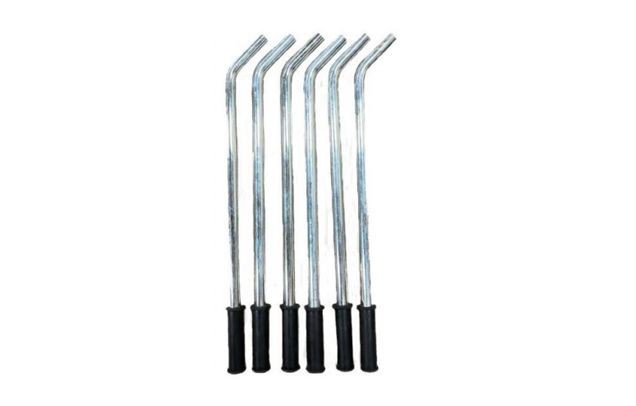
Forward Movement
When you pull the handle of the ratchet style tensioner in the forward direction, the pawl engages with the teeth of the ratchet wheel. As the handle moves forward, the pawl pushes against the teeth of the ratchet wheel, causing the wheel to rotate. This rotation is transferred to the strap, rope, or cable attached to the tool, tightening it in the process.
The design of the teeth on the ratchet wheel is crucial. They are angled in such a way that the pawl can easily slide over them in the forward direction. This allows for smooth and continuous movement of the handle, enabling you to quickly and efficiently apply tension to the object.
Locking and Preventing Backward Movement
Once the desired tension is achieved, the ratcheting mechanism comes into play to prevent the strap from loosening. The pawl is designed to fit snugly into the teeth of the ratchet wheel, creating a positive lock. When you try to move the handle in the backward direction, the pawl catches on the teeth of the ratchet wheel, preventing the wheel from rotating in the opposite direction.
This locking feature is essential as it ensures that the tension applied to the strap, rope, or cable remains constant. In applications such as securing loads on a truck, maintaining the correct tension is crucial for safety. If the tension were to decrease, the load could shift, leading to potential accidents.
Releasing the Tension
To release the tension, there is usually a release mechanism on the ratchet style tensioner handle. This mechanism disengages the pawl from the ratchet wheel, allowing the wheel to rotate freely in the opposite direction. Once the pawl is disengaged, you can easily loosen the strap, rope, or cable by pulling the handle in the reverse direction.
Importance of the Ratcheting Mechanism
The ratcheting mechanism in a ratchet style tensioner handle offers several advantages that make it a popular choice in many industries.
Precise Tensioning
One of the key benefits is the ability to achieve precise tension. The incremental movement provided by the ratchet mechanism allows you to apply just the right amount of tension to the object. This is particularly important in applications where over - tensioning or under - tensioning can cause problems. For example, in automotive sheet - metal work, precise tensioning is required to ensure a proper fit and finish.
Ease of Use
The ratcheting mechanism makes the tool easy to use. You can quickly and effortlessly apply tension with just a few pulls of the handle. There is no need for complex adjustments or multiple steps. This simplicity makes it accessible to a wide range of users, from professional tradespeople to DIY enthusiasts.
Safety
As mentioned earlier, the locking feature of the ratcheting mechanism ensures that the tension remains constant, which is crucial for safety. In applications such as [T Lock Panel](/automotive - sheet - metal/t - lock - panel.html) installation or securing loads on a [Truck Packing Rope](/automotive - sheet - metal/truck - packing - rope.html), a secure and consistent tension is necessary to prevent accidents.
Practical Applications
The ratchet style tensioner handle has a wide range of practical applications in different industries.
Automotive Industry
In the automotive industry, ratchet style tensioner handles are used for various tasks. They are commonly used in sheet - metal work to secure panels and components. For example, when installing a [T Lock Panel](/automotive - sheet - metal/t - lock - panel.html), the tensioner handle can be used to ensure a tight and secure fit. They are also used in the assembly of wiring harnesses, where precise tensioning is required to prevent loose connections.
Packaging and Shipping
In the packaging and shipping industry, ratchet style tensioner handles are used to secure loads on trucks, trailers, and shipping containers. A [Truck Packing Rope](/automotive - sheet - metal/truck - packing - rope.html) can be tightened using a ratchet style tensioner handle to prevent the load from shifting during transit. This helps to ensure the safety of the cargo and the vehicle.
Construction and DIY
In construction and DIY projects, ratchet style tensioner handles are used for tasks such as tensioning cables for fences, securing tarps, and tightening ropes for scaffolding. The tool's ease of use and precise tensioning capabilities make it a valuable addition to any toolbox.
Maintenance of the Ratcheting Mechanism
To ensure the long - term performance of the ratchet style tensioner handle, proper maintenance of the ratcheting mechanism is essential.
Cleaning
Regular cleaning is necessary to remove dirt, debris, and any other contaminants that may accumulate in the ratchet wheel and pawl. A simple cleaning with a brush and a mild solvent can help to keep the mechanism in good working condition.
Lubrication
Lubricating the ratchet wheel and pawl is also important. A small amount of lubricant can reduce friction, making the movement of the mechanism smoother. However, it is important not to over - lubricate, as excess lubricant can attract dirt and debris.
Inspection
Periodic inspection of the ratcheting mechanism is recommended. Check for any signs of wear or damage to the teeth of the ratchet wheel and the pawl. If any parts are worn or damaged, they should be replaced promptly to ensure the continued safe and effective operation of the tool.
Conclusion
The ratcheting mechanism in a ratchet style tensioner handle is a simple yet ingenious design that offers precise tensioning, ease of use, and safety. Whether you are working in the automotive industry, packaging and shipping, or construction, this tool is a valuable asset.
As a supplier of ratchet style tensioner handles, I am committed to providing high - quality products that meet the needs of our customers. If you are in the market for a reliable ratchet style tensioner handle, or if you have any questions about how our products work, I encourage you to contact us for a detailed discussion. We can provide you with more information about our products, including their features, specifications, and pricing. Let's start a conversation about your specific requirements and how our ratchet style tensioner handles can help you achieve your goals.
References
- "Hand Tools: A Comprehensive Guide", Industrial Tooling Press, 2018
- "Automotive Sheet - Metal Work Handbook", Automotive Publishing Inc., 2020
- "Packaging and Shipping Best Practices", Logistics Journal, 2021