


As a seasoned provider in the automotive sheet metal industry, I've witnessed firsthand the complexities and challenges that come with automotive sheet metal assembly. This process is a critical phase in vehicle manufacturing, where individual sheet metal components are joined together to form the vehicle's body structure. Despite advancements in technology and manufacturing processes, several common problems often arise during automotive sheet metal assembly. In this blog post, I'll delve into these issues, their causes, and potential solutions, drawing from my extensive experience as an automotive sheet metal supplier.
Fit - up Issues
One of the most prevalent problems in automotive sheet metal assembly is fit - up issues. Sheet metal parts need to fit together precisely to ensure the structural integrity of the vehicle and a seamless exterior appearance. Misaligned parts can lead to gaps, uneven surfaces, and difficulties in subsequent assembly steps.
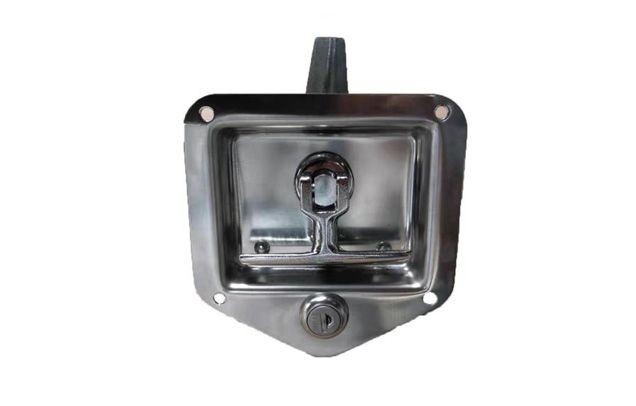
The root causes of fit - up problems can be multi - faceted. Manufacturing tolerances play a significant role. If the tolerances of individual sheet metal components are not tightly controlled during the stamping or forming processes, parts may not match up correctly during assembly. For example, a small deviation in the dimensions of a T Lock Panel can prevent it from fitting snugly with adjacent parts.
Another contributing factor is the handling and storage of sheet metal parts. Improper handling can cause parts to warp or bend, altering their shape and making them difficult to assemble. Similarly, if parts are stored in an environment with high humidity or extreme temperatures, they may undergo dimensional changes over time.
To address fit - up issues, it's crucial to implement strict quality control measures at every stage of the manufacturing process. This includes accurate tooling design, precise stamping and forming operations, and thorough inspection of parts before assembly. Additionally, proper handling and storage procedures should be established to minimize the risk of part deformation.
Welding Defects
Welding is a primary method for joining automotive sheet metal components. However, welding defects are a common problem that can compromise the strength and durability of the assembled structure.
Porosity is one of the most frequent welding defects. It occurs when gas pockets are trapped within the weld metal during the welding process. This can be caused by factors such as improper shielding gas flow, dirty or contaminated base metals, or incorrect welding parameters. Porous welds have reduced strength and are more susceptible to corrosion.
Another common welding defect is lack of fusion. This happens when the weld metal does not properly bond with the base metal, resulting in a weak joint. Insufficient heat input, improper electrode angle, or poor joint preparation can lead to lack of fusion.
To prevent welding defects, it's essential to use high - quality welding equipment and materials. Welding operators should be well - trained and follow strict welding procedures. Regular maintenance of welding equipment is also necessary to ensure consistent performance. Additionally, proper cleaning and preparation of the base metals before welding can significantly reduce the occurrence of defects.
Surface Finish Problems
The surface finish of automotive sheet metal is crucial for both aesthetic and functional reasons. Surface finish problems can range from scratches and dents to uneven paint adhesion.
Scratches and dents can occur during the handling, transportation, or assembly of sheet metal parts. These imperfections not only affect the appearance of the vehicle but can also lead to corrosion if left untreated. To minimize scratches and dents, protective packaging should be used during transportation, and careful handling procedures should be followed during assembly.
Uneven paint adhesion is another surface finish issue. This can be caused by contaminants on the sheet metal surface, such as oil, grease, or dust. Inadequate surface preparation before painting, such as improper cleaning or primer application, can also result in poor paint adhesion.
To achieve a high - quality surface finish, thorough surface preparation is essential. This includes cleaning the sheet metal parts to remove all contaminants and applying a suitable primer. Additionally, proper painting techniques and environmental control during the painting process can help ensure a smooth and durable finish.
Assembly Line Bottlenecks
In an automotive sheet metal assembly line, bottlenecks can occur, slowing down the overall production process. These bottlenecks can be caused by a variety of factors, such as equipment breakdowns, labor shortages, or inefficient workflow design.
Equipment breakdowns are a major cause of assembly line bottlenecks. If a key piece of equipment, such as a stamping press or a welding robot, malfunctions, it can bring the entire assembly line to a halt. Regular maintenance and preventive maintenance programs can help reduce the risk of equipment breakdowns.
Labor shortages can also lead to bottlenecks. If there are not enough skilled workers to operate the assembly line, production rates will decrease. To address this issue, companies can invest in training programs to develop the skills of their existing workforce and recruit new talent.
Inefficient workflow design can cause parts to pile up at certain stations on the assembly line, creating bottlenecks. A well - designed assembly line layout should ensure a smooth and continuous flow of parts, with minimal waiting times between operations.
Corrosion
Corrosion is a long - term problem that can affect the performance and lifespan of automotive sheet metal assemblies. It occurs when the metal reacts with its environment, typically in the presence of moisture and oxygen.
Galvanic corrosion is a common type of corrosion in automotive sheet metal assemblies. It happens when two different metals are in contact with each other in the presence of an electrolyte. For example, if a steel part is in contact with an aluminum part, galvanic corrosion can occur at the interface between the two metals.
To prevent corrosion, automotive sheet metal parts are often coated with protective layers, such as zinc or paint. These coatings act as a barrier between the metal and the environment, preventing direct contact and reducing the risk of corrosion. However, if the coating is damaged during assembly or use, the underlying metal becomes vulnerable to corrosion.
Regular inspection of the assembled parts for signs of corrosion and prompt repair of any damaged coatings are essential for preventing corrosion. Additionally, using corrosion - resistant materials and proper design techniques, such as avoiding crevices where moisture can accumulate, can help reduce the risk of corrosion.

Material Selection and Compatibility
Selecting the right sheet metal materials is crucial for the success of automotive sheet metal assembly. Different materials have different properties, such as strength, ductility, and corrosion resistance, which can affect the assembly process and the performance of the final product.
Incompatible materials can also cause problems during assembly. For example, if two materials with different coefficients of thermal expansion are joined together, they may experience different rates of expansion and contraction under changing temperatures. This can lead to stress and deformation in the assembly over time.
When choosing sheet metal materials, it's important to consider the specific requirements of the vehicle, such as its intended use, performance expectations, and cost constraints. Additionally, compatibility between different materials should be carefully evaluated to ensure a successful assembly.
Conclusion
Automotive sheet metal assembly is a complex process that is prone to several common problems. Fit - up issues, welding defects, surface finish problems, assembly line bottlenecks, corrosion, and material selection and compatibility are among the most significant challenges.
As an automotive sheet metal supplier, I understand the importance of addressing these problems to ensure the quality and reliability of our products. By implementing strict quality control measures, using advanced manufacturing techniques, and investing in employee training, we can minimize the occurrence of these problems and deliver high - quality automotive sheet metal assemblies.
If you're in the market for automotive sheet metal products, such as Truck Guardrail or Truck Packing Rope, and are looking for a reliable supplier, I encourage you to reach out for a procurement discussion. We're committed to providing you with the best solutions for your automotive sheet metal needs.
References
- Automotive Manufacturing Handbook, Second Edition, by G. Boothroyd, P. Dewhurst, and W. Knight.
- Welding Handbook, Volume 2: Welding Processes, American Welding Society.
- Surface Finishing for Automotive Applications, Society of Automotive Engineers.