


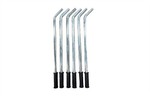
In the realm of manufacturing and engineering, handle connection assemblies play a pivotal role in a wide array of products, from fitness equipment to industrial machinery. As a dedicated supplier of Handle Connection Assembly, I've witnessed firsthand the profound impact that different handle materials can have on the performance, durability, and overall quality of these assemblies. In this blog post, I'll delve into the various handle materials commonly used in connection assemblies and explore their respective impacts.
1. Plastic Handles
Plastic is one of the most widely used materials for handles in connection assemblies, and for good reason. It offers several advantages that make it a popular choice across different industries.
Lightweight and Cost - Effective
Plastic handles are incredibly lightweight, which is a significant advantage in applications where weight is a concern, such as portable fitness equipment or handheld tools. This lightweight nature also reduces the overall weight of the connection assembly, making it easier to handle and transport. Additionally, plastic is relatively inexpensive compared to other materials, which helps in keeping the production costs down. This cost - effectiveness allows manufacturers to offer more affordable products to their customers without sacrificing too much on quality.
Design Flexibility
Plastic can be easily molded into various shapes and sizes, providing designers with a high degree of flexibility. This means that handle connection assemblies can be customized to fit the specific needs of different products. For example, in the fitness equipment industry, plastic handles can be designed to have ergonomic shapes that provide a comfortable grip for users during workouts. The ability to create unique and customized designs also helps in differentiating products from competitors in the market.
Corrosion Resistance
Plastic is inherently resistant to corrosion, which is a major advantage in environments where the connection assembly may be exposed to moisture or chemicals. This corrosion resistance ensures that the handle remains in good condition over time, reducing the need for frequent replacements and maintenance. For instance, in industrial settings where equipment may be exposed to harsh chemicals, plastic handles can withstand the corrosive effects and maintain their functionality.
However, plastic handles also have some limitations. They may not be as strong as metal handles and can be prone to cracking or breaking under heavy stress. In high - temperature environments, plastic may also deform, which can affect the performance of the connection assembly.
2. Metal Handles
Metal handles are another popular choice for connection assemblies, offering a combination of strength, durability, and aesthetic appeal.
Strength and Durability
Metals such as steel, aluminum, and brass are known for their high strength and durability. Metal handles can withstand heavy loads and are less likely to break or deform compared to plastic handles. This makes them ideal for applications where the connection assembly will be subjected to significant stress, such as in heavy - duty industrial machinery or commercial fitness equipment. For example, in a large - scale manufacturing plant, metal handles on equipment control panels need to be able to withstand repeated use and heavy gripping forces without failing.
Heat Resistance
Most metals have good heat resistance, which allows them to maintain their shape and functionality in high - temperature environments. This is particularly important in applications such as ovens or industrial furnaces, where the handle connection assembly may be exposed to high heat. Metal handles can ensure that the connection remains stable and operational even under extreme temperature conditions.
Aesthetic Appeal
Metal handles can add a touch of elegance and sophistication to the connection assembly. They are often used in high - end products where appearance is a key factor, such as luxury furniture or high - quality fitness equipment. The shiny finish of metals like chrome - plated steel can enhance the visual appeal of the product and make it more attractive to customers. For example, the Chrome Plated Connecting Rod in fitness equipment not only provides strength but also gives the equipment a sleek and modern look.
On the downside, metal handles are generally heavier than plastic handles, which can be a disadvantage in applications where weight is a concern. They are also more expensive to produce, which can increase the overall cost of the connection assembly. Additionally, metals are prone to corrosion if not properly treated, especially in humid or salty environments.
3. Wood Handles
Wood handles have a long history of use in connection assemblies, particularly in traditional and artisanal products.
Natural Aesthetic
Wood has a warm and natural aesthetic that is highly appealing to many consumers. It adds a touch of craftsmanship and authenticity to the product, making it stand out in the market. In products such as high - end tool cabinets or antique - style furniture, wood handles can enhance the overall look and feel of the item. For example, the Tool Cabinet Adjustment Lever with a wood handle can give the tool cabinet a classic and elegant appearance.
Comfortable Grip
Wood has a natural texture that provides a comfortable grip for users. It doesn't get as cold as metal in the winter or as hot as plastic in the summer, making it a pleasant material to hold for extended periods. This is especially important in applications where the user needs to hold the handle for a long time, such as in hand tools or some types of fitness equipment.
Sustainability
Wood is a renewable resource, which makes it an environmentally friendly choice for handle materials. As long as the wood is sourced from sustainable forests, using wood handles in connection assemblies can contribute to a more sustainable manufacturing process.
However, wood handles require more maintenance compared to plastic or metal handles. They need to be treated regularly to prevent rot, warping, and insect infestation. Wood can also be affected by changes in humidity, which can cause it to expand or contract and affect the fit of the connection assembly.
4. Composite Handles
Composite materials are made by combining two or more different materials to create a new material with enhanced properties. Composite handles offer a unique combination of the advantages of different materials.


Tailored Properties
Composite handles can be engineered to have specific properties based on the requirements of the connection assembly. For example, a composite handle can be made to have the strength of metal and the lightweight nature of plastic. This allows for the creation of handle connection assemblies that are optimized for different applications. In the aerospace industry, composite handles can be designed to have high strength - to - weight ratios, which are crucial for reducing the weight of aircraft components.
Resistance to Multiple Factors
Composite materials can be designed to be resistant to a variety of factors, such as corrosion, heat, and wear. This makes them suitable for use in harsh environments where other materials may not perform well. For instance, in marine applications, composite handles can withstand the corrosive effects of saltwater and the mechanical stress of waves and wind.
However, the manufacturing process of composite materials can be complex and expensive, which can increase the cost of the handle connection assembly. Additionally, the recycling of composite materials can be challenging, which may have an environmental impact.
The Importance of Choosing the Right Handle Material
The choice of handle material for a connection assembly is crucial as it can significantly impact the performance, durability, and cost of the product. A well - chosen handle material can enhance the user experience, improve the reliability of the connection assembly, and increase the lifespan of the product. On the other hand, a poor choice of handle material can lead to frequent failures, high maintenance costs, and dissatisfied customers.
As a supplier of Handle Connection Assembly, I understand the importance of helping customers choose the right handle material for their specific needs. We work closely with our clients to understand the requirements of their products, such as the operating environment, the expected load, and the aesthetic preferences. Based on this information, we can recommend the most suitable handle material and provide high - quality connection assemblies that meet or exceed their expectations.
Conclusion
In conclusion, different handle materials have distinct impacts on connection assemblies. Plastic offers lightweight, cost - effective, and corrosion - resistant solutions with high design flexibility. Metal provides strength, durability, and heat resistance but may be heavy and expensive. Wood brings a natural aesthetic and comfortable grip but requires more maintenance. Composite materials offer tailored properties but can be complex and costly to manufacture.
If you are in the market for high - quality handle connection assemblies and need assistance in choosing the right handle material for your product, I encourage you to reach out to us. Our team of experts is ready to discuss your specific requirements and provide you with the best solutions. Let's work together to create handle connection assemblies that meet your needs and exceed your expectations.
References
- Ashby, M. F. (2005). Materials Selection in Mechanical Design. Butterworth - Heinemann.
- Callister, W. D., & Rethwisch, D. G. (2010). Materials Science and Engineering: An Introduction. Wiley.
- Dieter, G. E. (1986). Engineering Design: A Materials and Processing Approach. McGraw - Hill.