



The abrasion resistance of truck wall panels is a critical factor that significantly impacts their durability and performance. As a supplier of Truck Wall Panels, I understand the importance of this characteristic in ensuring that our products meet the high - demands of the transportation industry.
Understanding Abrasion Resistance
Abrasion resistance refers to a material's ability to withstand the wear and tear caused by friction, rubbing, or scraping. In the context of truck wall panels, this can occur from a variety of sources. For example, when loading and unloading cargo, the panels may come into contact with sharp or rough - edged items. Additionally, road debris, such as gravel or sand, can be kicked up and cause abrasion over time.
The level of abrasion resistance is determined by several factors, including the material composition of the panels, their surface finish, and the manufacturing process. Different materials have different inherent abrasion - resistant properties. For instance, steel is known for its relatively high strength and abrasion resistance, making it a popular choice for truck wall panels. Aluminum, on the other hand, is lighter but may have a different level of abrasion resistance depending on its alloy and treatment.
Material - Based Abrasion Resistance
Steel Panels
Steel is a common material for truck wall panels due to its robustness. High - carbon steel, in particular, offers excellent abrasion resistance. The carbon content in the steel increases its hardness, which in turn makes it more resistant to scratches and wear. When cargo is loaded and unloaded, steel panels can better withstand the impact and friction compared to some other materials.
However, steel is also prone to corrosion, which can eventually affect its abrasion resistance. To combat this, many steel truck wall panels are coated with anti - corrosion layers, such as zinc or epoxy coatings. These coatings not only protect the steel from rust but also add an extra layer of protection against abrasion.
Aluminum Panels
Aluminum panels are favored for their lightweight nature, which can contribute to better fuel efficiency for trucks. While aluminum is generally less dense than steel, its abrasion resistance can be enhanced through various means. For example, anodizing is a common surface treatment for aluminum. Anodizing creates a hard, protective oxide layer on the surface of the aluminum, increasing its resistance to abrasion.
Some aluminum alloys are also specifically designed to have improved abrasion - resistant properties. These alloys contain elements such as magnesium and silicon, which can strengthen the aluminum matrix and make it more durable in abrasive environments.

Composite Panels
Composite materials, which are made by combining two or more different materials, are becoming increasingly popular for truck wall panels. Fiberglass - reinforced composites, for example, offer a good balance between strength and weight. The fiberglass provides reinforcement, while the resin matrix holds the fibers together.
Composite panels can be engineered to have high abrasion resistance by using appropriate fibers and resins. The fiber orientation in the composite can also be optimized to enhance its resistance to abrasion in different directions. Additionally, the surface of composite panels can be treated with a protective coating to further improve their durability.
Surface Finish and Abrasion Resistance
The surface finish of truck wall panels plays a crucial role in their abrasion resistance. A smooth surface finish generally reduces friction and makes it less likely for debris or cargo to catch on the panel, thereby minimizing abrasion.
Textured surfaces, on the other hand, can be designed to have specific functions. For example, a slightly textured surface may provide better grip for cargo, reducing the likelihood of it shifting during transit. However, if the texture is too rough, it may actually increase the risk of abrasion. Therefore, finding the right balance in surface finish is essential.
Some manufacturers use special coatings or treatments to improve the surface finish of truck wall panels. For instance, a polyurethane coating can provide a smooth, hard - wearing surface that is resistant to abrasion. This coating can also be formulated to be resistant to chemicals and UV radiation, further enhancing the panel's overall durability.
Manufacturing Process and Abrasion Resistance
The manufacturing process of truck wall panels can have a significant impact on their abrasion resistance. Precision manufacturing techniques ensure that the panels have consistent thickness and quality. For example, in the case of steel panels, hot - rolling or cold - rolling processes can affect the grain structure of the steel, which in turn influences its hardness and abrasion resistance.
During the manufacturing of composite panels, proper fiber - resin impregnation is crucial. If the resin does not fully penetrate the fibers, the composite may have weak spots that are more prone to abrasion. Automated manufacturing processes can help ensure a more uniform distribution of the resin and fibers, resulting in panels with better overall abrasion resistance.
Testing Abrasion Resistance
To ensure the quality of our Truck Wall Panels, we conduct rigorous abrasion resistance testing. One common method is the Taber abrasion test. In this test, a rotating abrasive wheel is applied to the surface of the panel under a specific load. The amount of material lost after a certain number of rotations is measured, and this provides an indication of the panel's abrasion resistance.
We also perform real - world simulation tests. For example, we simulate the loading and unloading of different types of cargo on the panels to observe how they perform under actual conditions. These tests help us identify any potential weaknesses in the panels and make necessary improvements to enhance their abrasion resistance.
Importance of Abrasion Resistance in the Trucking Industry
In the trucking industry, the abrasion resistance of wall panels is of utmost importance. Trucks are constantly on the move, and their wall panels are exposed to a wide range of abrasive forces. Panels with poor abrasion resistance can quickly become damaged, leading to a variety of problems.
Firstly, damaged panels can compromise the integrity of the truck's cargo area. Holes or scratches in the panels can allow water, dust, and debris to enter, which can damage the cargo. Secondly, frequent replacement of damaged panels can be costly for truck owners. By investing in high - abrasion - resistant panels, truck owners can reduce maintenance costs and increase the lifespan of their trucks.
Complementary Products and Abrasion Resistance
When considering the overall durability of a truck's cargo area, other products such as Truck Packing Rope and T Lock Panel also play a role. Truck packing ropes are used to secure cargo, and their proper use can prevent cargo from shifting and causing abrasion to the wall panels.
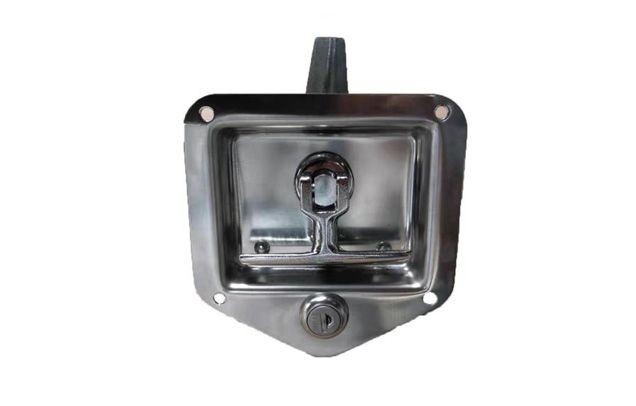
T Lock Panels, on the other hand, are often used in the construction of truck walls. Their design and installation can contribute to the overall stability and abrasion resistance of the wall structure. For example, a well - installed T Lock Panel can provide a seamless and strong connection between different sections of the wall, reducing the risk of abrasion at the joints.
Contact for Procurement
If you are in the market for high - quality truck wall panels with excellent abrasion resistance, we are here to help. Our team of experts can provide you with detailed information about our products, including their material composition, surface finish, and abrasion - testing results. We can also offer customized solutions based on your specific needs.
Whether you are a small - scale trucking company or a large - scale logistics provider, we can work with you to ensure that you get the best - suited truck wall panels for your operations. Contact us today to start a discussion about your procurement requirements and how we can meet your expectations.
References
- "Materials Science and Engineering: An Introduction" by William D. Callister, Jr.
- "Handbook of Abrasion Testing" by Y. Totten
- Industry reports on trucking and automotive materials from various research institutions.