


Hey there! As a brake shoes supplier, I've seen a lot when it comes to the wear patterns of brake shoes. In this blog, I'm gonna break down the typical wear patterns you might encounter, why they happen, and what they mean for your vehicle's braking system.
First off, let's talk about what brake shoes are. Brake shoes are a crucial part of a drum brake system. When you hit the brakes, the brake shoes press against the inside of the brake drum, creating friction that slows down or stops your vehicle. Over time, this friction causes wear on the brake shoes.
Normal Wear Pattern
The most common and ideal wear pattern is a relatively even wear across the surface of the brake shoe. This means that the brake shoe is making consistent contact with the brake drum, and the braking force is being distributed evenly. When you take a look at a brake shoe with normal wear, you'll notice that the lining material is worn down uniformly, and there aren't any significant grooves or uneven spots.
Normal wear occurs when the brake system is functioning properly. The brake shoes are adjusted correctly, and the brake drum is in good condition. This type of wear is a sign that your brakes are working as they should, and it's just a matter of time before you'll need to replace the brake shoes due to the natural wear and tear.
Uneven Wear Patterns
Now, let's get into the not - so - good stuff. Uneven wear patterns can indicate a variety of problems with your braking system.
Toe - in or Toe - out Wear
One type of uneven wear is toe - in or toe - out wear. Toe - in wear means that the front part of the brake shoe (the toe) is wearing more than the back part (the heel). On the other hand, toe - out wear is when the heel of the brake shoe is wearing more than the toe.
Toe - in wear can be caused by a few things. One common cause is improper adjustment of the brake shoes. If the shoes are not adjusted correctly, the toe of the shoe might make more contact with the drum than the heel. Another possible cause is a problem with the brake drum. If the drum is out of round or has a taper, it can cause uneven pressure on the brake shoe, leading to toe - in wear.
Toe - out wear can also be due to adjustment issues, but it can also be a sign of a problem with the brake cylinder. If the brake cylinder is not functioning properly, it might not apply pressure evenly to the brake shoe, causing the heel to wear more.
Edge Wear
Edge wear is another type of uneven wear pattern. This occurs when the edges of the brake shoe are wearing more than the center. Edge wear can be caused by a couple of factors. One is a misaligned brake drum. If the drum is not centered correctly, the edges of the brake shoe will make more contact with the drum, leading to excessive wear on the edges.
Another cause of edge wear is the presence of contaminants. If there are dirt, grease, or other contaminants on the brake drum or the brake shoe, they can cause uneven friction, resulting in edge wear. You can find more about vehicle components like Truck Packing Rope which can be related to the overall vehicle maintenance and might indirectly affect the braking system environment.
Center Wear
Center wear, as the name suggests, is when the center of the brake shoe is wearing more than the edges. This can be a sign of a problem with the brake drum's surface. If the drum has a ridge or a high spot in the center, it will cause the center of the brake shoe to wear more quickly.
It can also be due to a problem with the brake shoe itself. If the brake shoe is not rigid enough, it might flex in the center when pressure is applied, causing more wear in that area.
Glazing
Glazing is another issue that can affect brake shoes. Glazing occurs when the surface of the brake lining becomes hard and shiny. This can happen due to overheating of the brake shoes. When the brakes are used too aggressively or for extended periods, the friction generates a lot of heat. This heat can cause the brake lining material to melt and then harden, creating a glazed surface.
A glazed brake shoe has reduced friction, which means that your brakes won't work as effectively. You might notice that it takes longer to stop your vehicle or that the brakes feel spongy. To fix glazing, you can try to "de - glaze" the brake shoes by sanding them lightly. However, in most cases, it's best to replace the brake shoes to ensure optimal braking performance.
Cracking and Chipping
Cracking and chipping of the brake shoe lining are also signs of trouble. Cracks can occur due to excessive heat, mechanical stress, or poor quality of the brake lining material. Chipping can happen when the brake shoe is hit by debris or when there is a sudden impact on the braking system.
Cracked or chipped brake shoes are a safety hazard because they can cause uneven braking and reduce the effectiveness of your brakes. If you notice any cracks or chips in your brake shoes, it's important to replace them immediately.
What to Do When You Notice Wear Patterns
If you're a vehicle owner and you notice any abnormal wear patterns on your brake shoes, it's crucial to have your brakes inspected by a professional mechanic. A mechanic can diagnose the problem accurately and recommend the appropriate repairs or replacements.
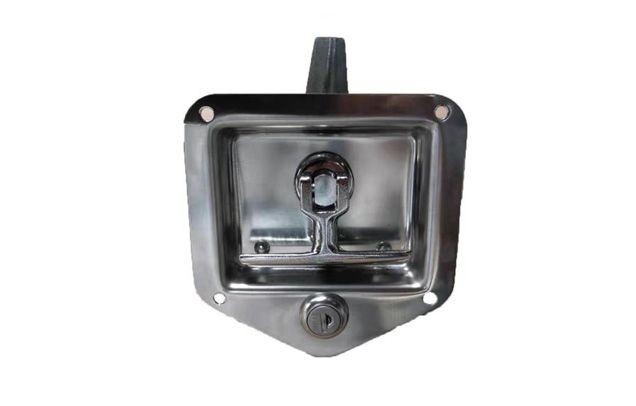
As a brake shoes supplier, I understand the importance of high - quality brake shoes. That's why we offer a wide range of brake shoes that are designed to provide optimal performance and durability. Whether you need brake shoes for a small car or a heavy - duty truck, we've got you covered. You can also explore related products like Truck Wall Panels and T Lock Panel which are part of the overall vehicle structure and can impact the vehicle's safety and performance.
If you're in the market for brake shoes or have any questions about brake wear patterns, don't hesitate to reach out. We're here to help you make the right choice for your vehicle's braking system. Whether you're a mechanic looking for reliable brake shoes for your customers or a vehicle owner in need of a replacement, we can provide you with the products and expertise you need. Contact us to start a discussion about your brake shoe needs and let's work together to keep your vehicle safe on the road.

References
- Brake System Manuals from major automotive manufacturers
- Industry research papers on brake system performance and wear
- Personal experience and knowledge gained from years in the brake shoes supply business