


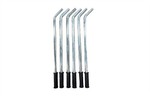
As a seasoned provider of Handle Connection Assembly, I've witnessed firsthand the various challenges that come with the assembly process. Over the years, I've encountered a multitude of common errors that can occur during handle connection assembly, which can lead to product malfunctions, reduced durability, and ultimately, customer dissatisfaction. In this blog post, I'll delve into these common assembly errors, explain their causes, and provide insights on how to avoid them.
Misalignment of Components
One of the most prevalent errors in handle connection assembly is the misalignment of components. This occurs when the handle, connector, or other related parts are not properly aligned during the assembly process. Misalignment can happen due to a variety of reasons, such as inaccurate machining, improper handling of parts, or the use of worn-out tools.
When components are misaligned, it can cause uneven stress distribution on the handle connection, leading to premature wear and tear. This can result in a loose or wobbly handle, which not only affects the functionality of the product but also poses a safety risk. To illustrate, consider a Tool Cabinet Adjustment Lever. If the lever is not properly aligned with the cabinet's adjustment mechanism, it may not function smoothly, making it difficult to adjust the cabinet as needed.
To avoid misalignment, it's crucial to ensure that all components are accurately machined to the correct specifications. Additionally, workers should be trained to handle parts carefully and use the appropriate tools for assembly. Regular maintenance and calibration of assembly equipment can also help prevent misalignment issues.


Improper Fastening
Another common error in handle connection assembly is improper fastening. This can involve using the wrong type of fasteners, overtightening or undertightening the fasteners, or failing to use the correct torque settings. Improper fastening can lead to a range of problems, including loose handles, rattling noises, and even the detachment of the handle from the product.
For example, if a Chain Cover is not properly fastened to a piece of fitness equipment, it may come loose during use, exposing the chain and posing a safety hazard. On the other hand, overtightening the fasteners can damage the components, causing cracks or other forms of structural damage.
To ensure proper fastening, it's essential to select the correct type of fasteners for the specific application. The fasteners should be compatible with the materials of the handle and the product, and they should have the appropriate strength and durability. Workers should also be trained to use torque wrenches to ensure that the fasteners are tightened to the correct specifications.
Contamination
Contamination is another issue that can arise during handle connection assembly. This can include dirt, debris, oil, or other foreign substances that can get into the assembly area and affect the performance of the handle connection. Contamination can cause corrosion, wear, and other forms of damage to the components, reducing their lifespan and functionality.
For instance, if a Chrome Plated Connecting Rod is contaminated with dirt or oil during assembly, it can cause the rod to corrode over time, leading to a loss of strength and durability. Contamination can also interfere with the proper functioning of the handle connection, causing it to stick or operate erratically.
To prevent contamination, it's important to maintain a clean assembly environment. This can involve using clean work surfaces, wearing gloves and other protective equipment, and regularly cleaning the assembly tools and equipment. Additionally, components should be properly stored and protected before assembly to prevent them from being contaminated.
Inadequate Lubrication
Lubrication plays a crucial role in the performance and longevity of handle connections. Inadequate lubrication can cause increased friction between the components, leading to wear, heat generation, and premature failure. This can result in a stiff or difficult-to-operate handle, as well as reduced efficiency and durability.
For example, if a handle on a piece of machinery is not properly lubricated, it may require more force to operate, which can cause fatigue for the user and potentially damage the handle or the machinery. Inadequate lubrication can also lead to the development of rust and corrosion, further deteriorating the performance of the handle connection.
To ensure adequate lubrication, it's important to use the appropriate type and amount of lubricant for the specific application. The lubricant should be compatible with the materials of the components and should provide the necessary protection against wear and corrosion. Workers should be trained to apply the lubricant correctly and at the appropriate intervals.
Lack of Quality Control
Finally, a lack of quality control can contribute to common assembly errors in handle connection assembly. Quality control measures are essential to ensure that the assembled products meet the required standards and specifications. Without proper quality control, defective products may be released to the market, leading to customer complaints and potential liability issues.
Quality control can involve a range of activities, such as visual inspections, functional testing, and dimensional measurements. These activities should be carried out at various stages of the assembly process to identify and correct any errors or defects before the product is completed. For example, after assembling a handle connection, it should be visually inspected for any signs of misalignment, improper fastening, or other issues. Functional testing can also be performed to ensure that the handle operates smoothly and as intended.
To implement effective quality control, it's important to establish clear quality standards and procedures. Workers should be trained on these standards and procedures, and they should be held accountable for ensuring that the products they assemble meet the required quality levels. Regular audits and inspections can also help identify areas for improvement in the assembly process.
Conclusion
In conclusion, there are several common assembly errors that can occur in handle connection assembly, including misalignment of components, improper fastening, contamination, inadequate lubrication, and a lack of quality control. These errors can have a significant impact on the performance, durability, and safety of the assembled products. As a Handle Connection Assembly supplier, it's our responsibility to take proactive measures to prevent these errors and ensure that our products meet the highest quality standards.
By investing in accurate machining, proper training of workers, regular maintenance of equipment, and effective quality control measures, we can minimize the occurrence of common assembly errors and provide our customers with reliable and high-quality handle connection assemblies. If you're in the market for handle connection assemblies or have any questions about our products, I encourage you to reach out to us for a procurement discussion. We're committed to providing you with the best solutions for your handle connection needs.
References
- [List of relevant industry standards and best practices related to handle connection assembly]
- [Any technical manuals or guides used in the assembly process]
- [Internal records of past assembly errors and corrective actions taken]