


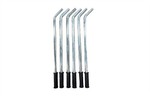
The toolbox, a seemingly simple container, has a rich and storied history that spans centuries. As a toolbox supplier, I've had the privilege of delving into this history and understanding how these essential items have evolved over time.
Ancient Origins
The concept of a toolbox dates back to ancient civilizations. In ancient Egypt, for example, craftsmen used wooden boxes to store their tools. These early toolboxes were likely simple in design, serving primarily as a means to transport and organize tools. The Egyptians were known for their advanced craftsmanship, and tools such as chisels, saws, and drills were crucial for building the pyramids and other monumental structures. The toolboxes of this era were made from durable materials like cedar, which could withstand the harsh desert environment.
In ancient Greece and Rome, toolboxes also played an important role in the lives of artisans. Greek blacksmiths and carpenters would keep their tools in leather or wooden cases. The Romans, on the other hand, were known for their engineering prowess, and their toolboxes were often more sophisticated. They used metal fasteners and hinges to make their toolboxes more durable and secure. These early toolboxes were not only practical but also a symbol of a craftsman's skill and status.
Medieval and Renaissance Periods
During the Middle Ages, toolboxes became more standardized. Guilds, which were associations of craftsmen, played a significant role in this standardization. Each guild had its own set of rules and regulations regarding the tools used by its members. Toolboxes were designed to hold specific sets of tools, depending on the trade. For example, a carpenter's toolbox would typically contain saws, planes, and chisels, while a blacksmith's toolbox would hold hammers, tongs, and anvils.
The Renaissance period saw a resurgence in craftsmanship and innovation. Toolboxes became more elaborate in design, with some featuring intricate carvings and decorative elements. This was a time when artisans took great pride in their work, and their toolboxes were often a reflection of their creativity and skill. The materials used to make toolboxes also became more diverse, with the introduction of new woods and metals.
Industrial Revolution
The Industrial Revolution was a turning point in the history of the toolbox. With the mass production of tools, the demand for toolboxes increased significantly. Factories began producing standardized toolboxes in large quantities, making them more affordable and accessible to a wider range of people. These toolboxes were often made from metal, such as steel or aluminum, which was more durable and could withstand the rigors of industrial work.
The development of new manufacturing techniques, such as stamping and welding, allowed for the production of more complex and functional toolboxes. Toolboxes with multiple compartments and drawers became popular, as they provided better organization and easier access to tools. This was also the time when the concept of a portable toolbox emerged, allowing workers to carry their tools with them from one job site to another.
Modern Era
In the modern era, toolboxes have continued to evolve. With the advancement of technology, toolboxes now come in a wide variety of shapes, sizes, and materials. Plastic toolboxes have become popular due to their lightweight and affordability. They are often used by DIY enthusiasts and home users.
For professional tradespeople, high - quality metal toolboxes are still the preferred choice. These toolboxes are designed to be rugged and durable, with features such as reinforced corners, heavy - duty latches, and weather - resistant finishes. Some modern toolboxes are also equipped with advanced locking mechanisms to ensure the security of the tools inside.
In addition to traditional toolboxes, there are also specialized toolboxes for specific industries. For example, in the automotive industry, toolboxes are designed to hold tools such as T Lock Panel, Ratchet Style Tensioner Handle, and Truck Wall Panels. These toolboxes are often customized to fit the unique needs of automotive technicians.
The Future of Toolboxes
As technology continues to advance, the future of toolboxes looks promising. We can expect to see more innovative designs, with features such as built - in charging ports for power tools, smart sensors to track the location of tools, and even self - organizing compartments.
Sustainability will also play a significant role in the future of toolbox design. Manufacturers are increasingly looking for ways to use eco - friendly materials and reduce the environmental impact of their products. This could lead to the development of toolboxes made from recycled materials or biodegradable plastics.
Why Choose Our Toolboxes?
As a toolbox supplier, we understand the importance of quality, functionality, and durability. Our toolboxes are designed to meet the needs of both professional tradespeople and DIY enthusiasts. We offer a wide range of toolboxes, made from the highest quality materials, including steel, aluminum, and plastic.
Our toolboxes feature innovative designs, with multiple compartments and drawers for easy organization. We also pay attention to the smallest details, such as the quality of the latches and hinges, to ensure that our toolboxes are built to last. Whether you need a toolbox for your automotive shop, construction site, or home workshop, we have the perfect solution for you.
If you're in the market for a new toolbox, we invite you to explore our product range. We are confident that you'll find a toolbox that meets your requirements and exceeds your expectations. Contact us today to start a discussion about your toolbox needs, and let us help you find the perfect toolbox for your job.


References
- "A History of Tools" by Henry Petroski
- "The Craftsman" by Richard Sennett
- Various industry reports and historical archives on tool manufacturing and usage.