

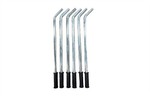

As a trusted supplier of Truck Packing Rope, I've witnessed firsthand the importance of proper handling to ensure its longevity and effectiveness. In this blog, I'll share some of the best practices for handling truck packing ropes to avoid damage, drawing on years of experience in the industry.
Understanding the Nature of Truck Packing Rope
Before delving into handling techniques, it's crucial to understand the characteristics of truck packing ropes. These ropes are typically made from high - strength materials such as nylon, polyester, or polypropylene. Each material has its own set of properties. Nylon ropes, for example, are known for their high tensile strength and excellent shock - absorbing capabilities. Polyester ropes, on the other hand, are resistant to UV rays and moisture, making them ideal for outdoor use. Polypropylene ropes are lightweight and float on water, which can be an advantage in certain applications.
Pre - Use Inspection
One of the first steps in handling truck packing ropes to avoid damage is to conduct a thorough pre - use inspection. Before each use, carefully examine the rope for any signs of wear, fraying, or cuts. Even small damages can significantly weaken the rope over time and compromise its safety. Check the entire length of the rope, including the ends, as these are often the areas most prone to damage. If you notice any significant damage, it's best to replace the rope immediately. Using a damaged rope can lead to cargo shifting during transit, which can be extremely dangerous.
Proper Coiling and Storage
How you coil and store your truck packing ropes can have a major impact on their lifespan. When coiling the rope, make sure to do it neatly and evenly. Avoid kinking or twisting the rope, as this can cause internal damage and weaken the fibers. A good way to coil the rope is to lay it out on a flat surface and start coiling from one end in a circular motion. Once coiled, you can use a rope tie or a rubber band to keep the coil together.


For storage, choose a dry and cool place. Exposure to excessive heat, moisture, and sunlight can degrade the rope material. If possible, store the ropes in a storage container or a bag to protect them from dust and debris. Avoid storing the ropes in direct contact with sharp objects, as these can easily cut or damage the rope.
Using the Right Tools
When handling truck packing ropes, using the right tools can make a big difference. For example, a Ratchet Style Tensioner Handle can be extremely useful for tightening the rope securely around the cargo. This tool allows you to apply the right amount of tension without over - tightening, which can damage the rope. Make sure to choose a tensioner handle that is compatible with the size and type of your truck packing rope.
Another important tool is a rope cutter. When cutting the rope, use a sharp and clean cutter to ensure a smooth cut. A dull cutter can cause fraying and damage to the rope ends, which can then spread along the length of the rope.
Loading and Unloading Procedures
During the loading and unloading process, take extra care to avoid damage to the truck packing ropes. When attaching the rope to the cargo, make sure to do it in a way that distributes the weight evenly. Avoid placing the rope under sharp edges or corners of the cargo, as this can cause the rope to cut or fray. You can use Truck Wall Panels to create a smooth surface for the rope to rest on, reducing the risk of damage.
When unloading the cargo, be gentle when removing the ropes. Don't yank or pull the ropes forcefully, as this can cause the fibers to break. Instead, carefully loosen the tension and remove the ropes one by one.
Training Your Team
If you have a team handling the truck packing ropes, it's essential to provide them with proper training. Make sure they understand the importance of proper handling techniques and the potential consequences of mishandling the ropes. Train them on how to inspect the ropes, coil and store them, use the right tools, and handle the ropes during loading and unloading. Regular training sessions can help reinforce these practices and ensure that everyone on the team is following the best practices.
Regular Maintenance
In addition to pre - use inspections, regular maintenance of the truck packing ropes is also important. Periodically clean the ropes to remove dirt, grime, and any chemicals that may have come into contact with them. You can use a mild soap and water solution to clean the ropes, and then rinse them thoroughly and let them dry completely before storing them.
Conclusion
Proper handling of truck packing ropes is essential to avoid damage and ensure their long - term effectiveness. By following these best practices, you can extend the lifespan of your ropes, reduce the risk of cargo damage, and ensure the safety of your shipments. As a Truck Packing Rope supplier, I'm committed to providing high - quality ropes and sharing the knowledge to help you get the most out of them.
If you're interested in purchasing high - quality truck packing ropes or have any questions about their handling and maintenance, please feel free to reach out. We're here to assist you in finding the best solutions for your cargo - securing needs.
References
- "Rope Handling and Safety Guidelines", International Rope Manufacturers Association
- "Cargo Securement Handbook", Federal Motor Carrier Safety Administration