


Hey there, fellow DIY enthusiasts and professionals! If you're like me, you know that having a well - organized toolbox is the key to a smooth and efficient workday. As a toolbox supplier, I've seen it all when it comes to tool storage and organization. In this blog post, I'm gonna share some tips on how to organize tools in a toolbox, so you can make the most of your space and keep your tools in top shape.
Sort Your Tools by Type
The first step in organizing your toolbox is to sort your tools by type. This might seem like a no - brainer, but you'd be surprised how many people just throw all their tools in a jumbled mess. Start by laying out all your tools on a clean surface. Group them into categories like screwdrivers, wrenches, pliers, hammers, and so on.
For example, screwdrivers can be further divided into flat - head and Phillips - head. Wrenches can be sorted by size and type, such as adjustable wrenches, socket wrenches, and open - end wrenches. This initial sorting will give you a clear picture of what you have and make it easier to find the right tool when you need it.
Use Dividers and Compartments
Once you've sorted your tools, it's time to start putting them in the toolbox. This is where dividers and compartments come in handy. Most modern toolboxes come with built - in dividers, but if yours doesn't, you can easily buy some aftermarket dividers.


Dividers help keep your tools separated and prevent them from knocking into each other. You can use them to create sections for different types of tools. For instance, you can have one section for small hand tools like tweezers and nail sets, and another for larger power tools.
If you're dealing with long tools like drills or saws, you can use compartments or custom - made holders to keep them upright and organized. This not only saves space but also makes it easier to access these tools.
Label Your Toolbox
Labeling is a simple yet effective way to keep your toolbox organized. You can use sticky labels or a label maker to mark each section of your toolbox. For example, you can label a compartment "Screwdrivers" or "Pliers". This way, even if you're in a hurry or working in low - light conditions, you can quickly find the tool you need.
You can also label individual tools, especially if you have a lot of similar - looking ones. For instance, if you have multiple sizes of socket wrenches, labeling each one with its size will save you time when you're looking for a specific one.
Consider the Frequency of Use
When organizing your toolbox, it's important to consider how often you use each tool. Tools that you use frequently should be placed in easy - to - reach locations. For example, your most commonly used screwdriver or pliers should be at the top or front of the toolbox.
On the other hand, tools that you use less often can be stored in the back or bottom of the toolbox. This way, you can maximize the use of your toolbox space and keep the tools you need most within arm's reach.
Store Small Parts Properly
Small parts like nuts, bolts, and screws can be a real pain to organize. They tend to get lost easily and can make your toolbox look messy. One way to deal with this is to use small plastic containers or pill bottles. You can label each container with the type and size of the parts it holds.
Another option is to use a magnetic strip to hold small metal parts. This keeps them in one place and makes them easy to find. You can attach the magnetic strip to the inside of your toolbox lid or on a side panel.
Keep Your Toolbox Clean
A clean toolbox is not only more organized but also helps to keep your tools in good condition. Regularly clean out any dirt, debris, or old oil from your toolbox. You can use a small brush or a vacuum cleaner to remove the dirt.
Also, make sure to wipe down your tools after each use. This helps prevent rust and corrosion, especially if you're working in a humid environment. You can use a clean cloth and some lubricant to clean and protect your tools.
Specialized Tools and Their Storage
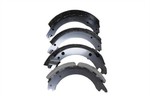
Some tools require special storage considerations. For example, if you have brake shoes, you need to store them in a dry and clean place to prevent damage. You can learn more about Brake Shoes and their proper handling on our website.
Refrigerated truck rear frames are large and bulky tools. They need to be stored in a way that they don't get bent or damaged. You can find more information about Refrigerated Truck Rear Frame storage on our site.
T - lock panels are also unique tools that require careful storage. Check out our page on T Lock Panel for tips on how to keep them in good shape.
Regularly Review and Update Your Toolbox
Tool organization is not a one - time thing. You should regularly review and update your toolbox. As you acquire new tools or retire old ones, make sure to adjust your organization system accordingly.
This also gives you a chance to check the condition of your tools. If you find any tools that are damaged or worn out, replace them as soon as possible. This ensures that you always have reliable tools at your disposal.
Conclusion
Organizing your toolbox is an investment in your productivity and the longevity of your tools. By following these tips, you can create a well - organized toolbox that makes your work easier and more efficient.
As a toolbox supplier, I'm always here to help you find the right toolbox and organization solutions for your needs. Whether you're a professional mechanic, a DIY hobbyist, or someone who just wants to keep their tools in order, we have a wide range of toolboxes and accessories to choose from.
If you're interested in purchasing a toolbox or have any questions about tool organization, don't hesitate to reach out to us. We'd love to have a chat with you and help you find the perfect solution for your tool storage needs. Let's work together to make your toolbox a well - organized and efficient workspace!
References
- "Tool Storage and Organization: Best Practices", DIY Magazine, 2022
- "The Art of Toolbox Organization", Professional Mechanic's Journal, 2023
- "Organizing Your Tools for Maximum Efficiency", Home Improvement Today, 2021